Know your game
Understand the number range, draw format, and official rules. Set a comfortable entertainment budget before selecting any entries.
A fresh perspective on number selection. Explore a more structured approach to lottery play—without losing sight of what matters.
Explore number selection with more structure and less guesswork.
Discover the difference between patterns, coverage, and probability.
A clear starting point for reviewing the product and its limitations.
Make thoughtful choices while keeping entertainment in perspective.
Move beyond familiar numbers and automatic habits. Take the time to understand your game, explore your choices, and build a routine that works for you.
Lottery Maximizer introduces a strategy-focused way to think about number selection. Explore its official product information to see whether the approach fits your interests. A selection system can organize your play; it cannot remove the randomness of a draw.
Start with understanding.
Not with a promise.
Three thoughtful steps. No shortcuts. No impossible promises.
Understand the number range, draw format, and official rules. Set a comfortable entertainment budget before selecting any entries.
Review the Lottery Maximizer approach on the official website. Check its current features, requirements, and instructions.
Use a consistent routine if you choose to participate. Remember that every draw is random, and keep your limits in place.
Discover a resource designed around lottery strategies and number selection. Take a closer look before you make your next move.
The official website is the place to verify exactly what is included, how the current product is delivered, and whether it supports your game and device. Product artwork is not a substitute for the current specifications.
Continue to the official website: https://lottery-maximizer.com
Get a grounded understanding of lottery strategies, probability, and responsible participation before deciding how to play.
Lottery play is often built around a familiar routine: choose a birthday, add a favorite number, buy a ticket, and wait for the draw. There is nothing wrong with keeping the experience simple. But if you want a more intentional approach, it helps to understand what your decisions can and cannot change. Lottery Maximizer is presented as a resource for exploring number-selection strategies and bringing more structure to that routine. The useful starting point is not a promise of a jackpot. It is a clearer understanding of the game, your choices, and the limits of every strategy.
A smarter approach means making decisions before excitement takes over. Decide which game you understand, how often you want to participate, and what amount you can comfortably treat as entertainment. Then consider whether a structured number-selection process would make the experience easier to manage. This page introduces the ideas behind that process and directs you to the official Lottery Maximizer website for current product details. Think of it as a practical guide to asking better questions, rather than a prediction of what the next draw will deliver.
In a properly run random lottery, every valid combination has the same chance of being drawn. A sequence that looks unusual is not automatically less likely than a combination that looks nicely balanced. Likewise, a number that appeared recently does not become unavailable for the next independent draw. These principles matter because attractive charts and convincing patterns can make randomness feel more predictable than it really is. Understanding the difference between describing past results and forecasting future results helps you evaluate any lottery product with a more critical eye.
The rules of the specific game determine the probability of matching its winning numbers. How many numbers you select, the size of the number pool, and whether a separate bonus ball is involved all affect the calculation. Always check the official rules for the game you intend to play. A selection system can organize how you choose entries, but it cannot change the underlying probability of a single valid combination. Buying additional distinct entries increases coverage while also increasing expenditure; it does not make a particular entry inherently stronger.
Number selection can be personal, random, or methodical. Some players prefer meaningful dates; others choose a quick-pick entry or work through a consistent selection routine. A structured approach may help you avoid repeatedly making the same choices without noticing. It can also make your process easier to review. However, a method that feels organized should not be confused with a method that has demonstrated predictive power. The real question is whether the approach helps you participate thoughtfully within the boundaries you set for yourself.
When exploring Lottery Maximizer, look for a clear explanation of how its selection approach works and which games it supports. Consider whether the instructions are understandable and whether the process fits the way you already play. Be cautious about interpreting frequently drawn numbers as more likely to appear again. Historical frequency is a description of a sample, not a guarantee about the next result. An informed player can enjoy exploring number patterns while still recognizing that the final draw remains random and outside the player’s control.
Past draw information can be interesting to study. It may show how often a number appeared during a chosen period, which combinations occurred, or how results were distributed across the available range. That information can support a more organized hobby and help you understand a game’s history. But the meaning of a pattern depends on the amount of data, how it was selected, and whether the apparent pattern could easily occur by chance. A short run of results can look striking without revealing any lasting advantage.
A sensible review starts by separating observations from conclusions. Saying that a number appeared frequently in the last few draws is an observation. Saying that it must appear in the next draw is a prediction that does not follow from that observation. The same caution applies to so-called overdue numbers. Independent random draws do not keep a balance sheet that needs to be corrected. If you use historical analysis as part of your selection routine, use it as an organizational aid and a source of curiosity, not as a reason to increase your spending.
A thoughtful routine starts with knowing what a strategy can—and cannot—do.
A useful strategy is one you can explain and maintain. Start by choosing a lottery whose entry rules and draw schedule you understand. Read how winnings are determined, how tickets are validated, and when claims must be made. Establish your entertainment budget before selecting numbers. If you use a guide or selection tool, keep the process straightforward enough that you can follow it consistently without turning every draw into a lengthy project. Simplicity makes it easier to notice whether your participation is still enjoyable.
You might keep a brief record of the game, the date, the entries you purchased, and your expenditure. The purpose is accountability, not an attempt to prove that a winning streak is approaching. Review your routine occasionally and ask whether it is taking more time or money than you intended. If it is, reduce participation or take a break. Lottery Maximizer should be evaluated as one possible addition to that routine, not as a replacement for clear limits or a reason to continue when you would otherwise stop.
Some lottery strategies focus on arranging combinations or reducing duplicate entries. These ideas relate to coverage: how many different outcomes your tickets represent. Distinct entries cover more combinations than repeating exactly the same entry within a draw, although how duplicate tickets affect payouts depends on the lottery’s rules. Coverage can be described mathematically, but it has a cost. A larger collection of entries requires more spending, and even substantial coverage may represent only a tiny portion of all possible outcomes in a large lottery.
An edge is a different claim. It suggests that a method improves expected performance beyond what ordinary probabilities would imply. That requires evidence, not just an attractive explanation or a memorable result. When evaluating product language, distinguish practical organization from statements about improved winning odds. This page does not verify that Lottery Maximizer provides a predictive advantage. Visit the official website to examine the product’s actual description, and be especially careful with any assertion that a system can reliably identify future winning numbers. No strategy makes a jackpot certain.
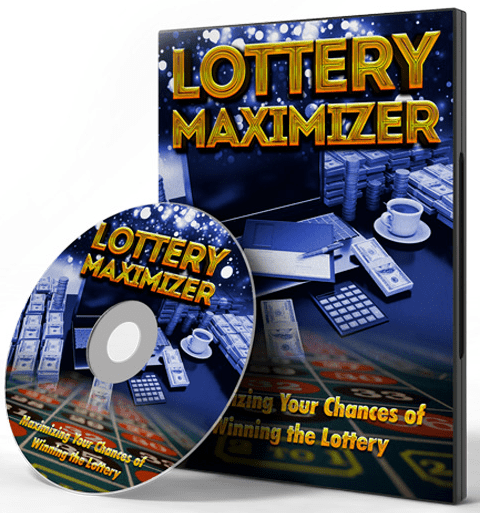
A good product decision begins with knowing what you are receiving. Before ordering Lottery Maximizer, review the official website for its current format, included materials, supported devices, and instructions. The supplied product artwork includes software-style packaging, but artwork alone does not establish the delivery format or compatibility of a current offer. Check whether the product is a download, a guide, software, or a combination of resources. Also confirm any requirements that could affect whether you can use it on your preferred device.
Read the seller’s current terms carefully, including any purchase conditions, support information, and refund policy that are actually stated. This landing page does not invent those details or reproduce an unverified offer. The order buttons take you directly to https://lottery-maximizer.com so you can evaluate the current information at its source. If important information is unclear, resolve that uncertainty before proceeding. A confident decision comes from understanding the product and its limitations, not from pressure to act immediately or from assuming promotional artwork is a complete specification.
Lottery participation is entertainment, not a dependable savings strategy or a substitute for income. Money needed for rent, food, bills, education, or debt payments should never become a lottery budget. Decide on an amount that you can lose without affecting essential responsibilities, and consider that amount spent when you purchase your tickets. This approach protects you from treating a hoped-for prize as if it were already available. It also helps keep the anticipation of a draw in proportion to the rest of your life.
Avoid increasing your spending to recover earlier losses. A losing ticket does not create an obligation for a later draw to compensate you, and a new system does not erase the risks of chasing results. If participation feels stressful, secretive, or difficult to control, step away and seek support from a qualified local service. Only participate where lottery play is lawful and you meet the applicable age requirements. A responsible approach puts your wellbeing first, whether you use Lottery Maximizer, another selection method, or no method at all.
Some people participate with friends, family, or coworkers. A group can share the cost of entries and the experience of following a draw, but it also creates practical questions that should be answered in advance. Agree on who participates, what each person contributes, who purchases the tickets, and how any prize would be divided. Keep a clear record of the entries before the draw rather than relying on memory afterward. Transparent arrangements are especially important when members join or leave the group over time.
Group participation does not make an individual combination more likely to win. It can increase the number of entries the group holds, with any winnings shared according to the arrangement and applicable rules. Check whether the lottery operator provides official guidance for group entries or prize claims. If a selection resource is used, everyone should understand that it is not a guarantee. Clear communication prevents a casual activity from becoming a misunderstanding, and written agreements help ensure that both small results and unexpected larger outcomes are handled consistently.
After a draw, it is natural to compare your entries with the winning numbers and wonder what you could have done differently. A near match can feel like evidence that your method is improving, while a series of misses can make a different system look irresistible. Neither feeling is enough to establish a reliable trend. Random results often create stories that sound persuasive afterward. A thoughtful review records what happened without assuming that the same story will explain the next draw.
Focus your review on the decisions you actually control. Did you stay within your budget? Did you purchase the entries you intended? Did you check results using the official lottery source? Did you follow any claim instructions correctly? Those are meaningful questions even when no prize is won. If you are comparing selection methods, remember that small samples can be misleading and that memorable wins are not a complete record. The healthiest measure of a lottery routine is whether it remains affordable, understandable, and enjoyable, rather than whether every outcome can be turned into a success story.
The language around lottery systems can be exciting: smarter numbers, better chances, bigger wins. The supplied Lottery Maximizer banner uses this kind of promotional language. It is important to read those phrases alongside the fundamentals of probability and the exact claims made by the seller. An organized selection process may offer convenience or a framework for learning. That is different from a proven ability to predict a random draw. Look for explanations that make the distinction clear rather than allowing enthusiasm to substitute for evidence.
You do not need to rush your evaluation. Compare the product information with your own goals and decide whether the resource is useful as entertainment or education. Avoid making a purchase based solely on a large prize pictured in an advertisement or a story that cannot be independently checked. This page intentionally includes no fabricated testimonials, winning statistics, or guaranteed outcomes. Its purpose is to offer a clear introduction, highlight sensible questions, and provide an official destination where you can review Lottery Maximizer on its own stated terms.
If you enjoy exploring lottery strategies, Lottery Maximizer may be a product you want to investigate further. Start with the official description and take the time to understand the current offer. Review the format, the instructions, the limitations, and the terms before deciding whether to order. Keep your lottery budget separate from any product purchase, and do not interpret buying a resource as a commitment to play more often. You can explore a subject without increasing your exposure to risk.
The most useful takeaway is a balanced perspective. Number-selection routines can bring structure to a recreational activity, historical results can be interesting, and clear records can improve accountability. None of those things removes uncertainty from a random draw. Smarter play means knowing that uncertainty is there and making choices that remain comfortable regardless of the outcome. Use the official order link when you are ready to review the product, or revisit the guidance here if you want to think it through. The decision should fit your circumstances, your priorities, and your own definition of enjoyable entertainment.
Clear answers to help you explore Lottery Maximizer with realistic expectations.
Visit the official websiteLottery Maximizer is a lottery strategy product presented in the supplied promotional artwork. Visit the official website to confirm its current features, delivery format, and supported games. This page provides general educational context rather than a verified specification of the product.
No lottery selection method can guarantee a winning result in a random draw. Every valid combination has the same probability in a fair draw. Treat claims about prediction or improved odds carefully and never spend money you cannot comfortably lose.
Use any “Order Lottery Maximizer” button on this page to visit https://lottery-maximizer.com. Review the seller’s current product details and terms before completing a purchase. This page does not process payments.
Not in an independent random lottery. Historical results describe previous outcomes, but a number being frequent or overdue does not establish that it is more likely to appear in the next draw.
Game rules vary, and product compatibility should not be assumed. Check the official product information against your lottery’s number ranges, bonus-ball requirements, and local rules before using any selection method.
Set a fixed entertainment budget, avoid borrowing or chasing losses, and take a break whenever play stops feeling enjoyable. Follow local age and legal requirements. Lottery play should never replace essential spending or financial planning.
Explore Lottery Maximizer on the official website.
Understand the approach. Review the details. Decide for yourself.